
 How It's Made
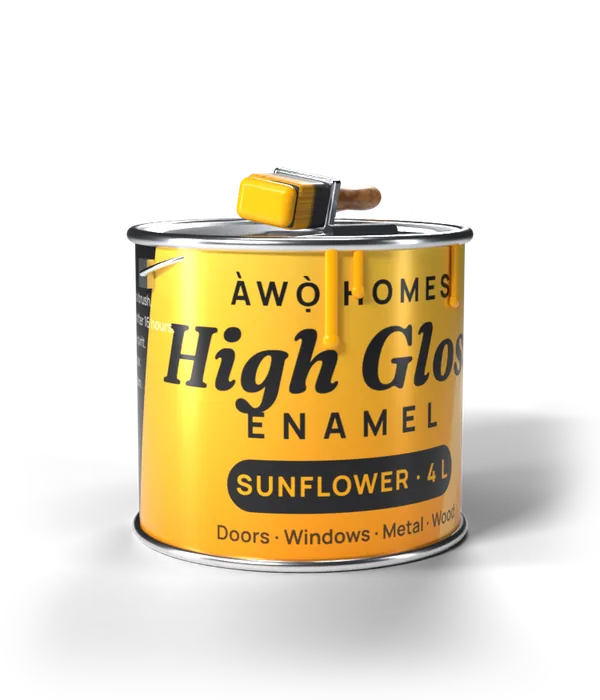
What goes into gloss paint
| Ingredient | What it does in gloss paint | Grade buyers ask for | Source on Matta |
|---|---|---|---|
 Long-oil Alkyd Resin |
Binder. The binder. As it cures by reacting with oxygen, it forms the hard, tough, high-gloss film that suits doors, windows and metal. | Long-oil, 70% in white spirit | ₦3,946.25 /kgFangxin · read 20 Oct 2026Request this product ↗View current listing ↗ |
 White Spirit (Mineral Turpentine) |
Solvent. The solvent. It thins the resin so the paint brushes out and levels, then evaporates in the first hours of drying. | Specify to supplier | ₦8,200 /kgEl-Mohandes for trading and manufacturing chemicals · read 20 Oct 2026Request this product ↗View current listing ↗ |
 Titanium DioxideIngredient guide → |
Pigment. The white pigment that gives opacity and brightness. In gloss paint it is kept to fine, well-dispersed particles so it doesn't dull the shine. | Rutile, paint grade, surface-treated for solvent systems | ₦6,150 /kgChemours · read 19 Oct 2026Request this product ↗View current listing ↗ |
 Ground Calcium CarbonateIngredient guide → |
Filler. A small amount of extender for body. Gloss paints use far less filler than matt paints, because coarse particles reduce gloss. | Fine paint grade | ₦615 /kgOmya International AG · read 20 Oct 2026Request this product ↗View current listing ↗ |
 Cobalt, Zirconium and Calcium Octoates |
Drying. Metal soaps, usually cobalt with zirconium and calcium, that catalyse the reaction between resin and air so the film dries overnight rather than over days. | Specify to supplier | ₦13,432.63 /kgZhongtai Group · read 20 Oct 2026Request this product ↗View current listing ↗ |
 Organophilic Bentonite |
Anti-sag. An organoclay that thickens the paint so it doesn't sag or run on vertical surfaces such as doors. | Solvent-system organoclay | ₦5,945 /kgAkshar Chemical India · read 20 Oct 2026Request this product ↗View current listing ↗ |
 Sodium Polyacrylate |
Dispersant. Helps wet and separate the pigment particles in the resin during grinding, for even colour and full gloss. | Solvent-system dispersant | ₦5,099.38 /kgPatcham FZC · read 20 Oct 2026Request this product ↗View current listing ↗ |
 MEKO (Methyl Ethyl Ketoxime) |
Anti-skin. An anti-skinning agent that stops the paint curing in the tin. It evaporates once the paint is applied so drying can start. | Specify to supplier | ₦5,330 /litreCHIKHLOLI CHEMICALS PVT.LTD · read 20 Oct 2026Request this product ↗View current listing ↗ |
How gloss paint is made
Like other paints, gloss is made as a pigment mill base and a let-down. Solvent-based batches take longer than water-based ones; one manufacturer quotes about four days for a solvent-borne colour against about two for a water-borne white.
Mill base
Titanium dioxide, organoclay and dispersant are ground into part of the alkyd resin until the particles are fine enough for a smooth, glossy film.
Let down
The rest of the resin and the white spirit are added to bring the paint to working consistency.
Driers and anti-skin
The driers and anti-skinning agent go in last, because once driers are present the resin starts to react with air.
Tint and test
Colour is matched, then gloss, viscosity, sag resistance and drying time are tested on panels.
Fill and seal
Tins are filled and sealed quickly to keep air out.
Common variations
- Gloss, satin and eggshell
- Satin and eggshell enamels use the same resin system with more extender or matting agent to lower the sheen.
- Water-based enamels
- Some newer enamels use water-borne resins that still cure chemically like alkyds, cutting solvent content.
- Undercoat and primer
- The same alkyd chemistry, with more filler or anti-corrosive pigment, makes undercoats and metal primer.
Safety, quality and regulation
White spirit is flammable and its vapour is harmful in enclosed spaces, so production areas need ventilation, earthing and flame-proof equipment. Driers and anti-skinning agents are classified chemicals handled to their safety data sheets, and some cobalt driers are being replaced in export markets because of regulatory pressure.
Gloss paints are higher in volatile organic compounds than water-based paints, and many buyers set limits on solvent content and on lead. Products sold in Nigeria are expected to meet Standards Organisation of Nigeria requirements.
Where the raw materials come from
Alkyd resins are often made close to the paint factory, from vegetable oils and petrochemical inputs. Nigeria's RMRDC is promoting castor oil and other local oleochemicals as alkyd raw materials. White spirit is a refinery product, and titanium dioxide is mostly imported.
Request alkyd resin, solvents, pigments and driers through Matta. For the wider category, see Matta's industrial chemicals page.
Related products and ingredients
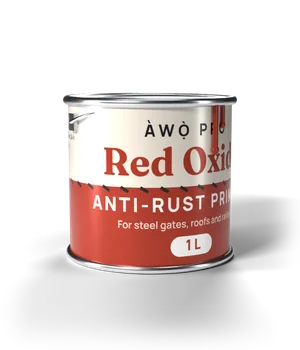 Paints, coatings & texturesMetal primer
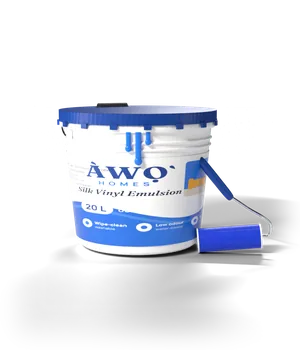 Paints, coatings & texturesEmulsion paint
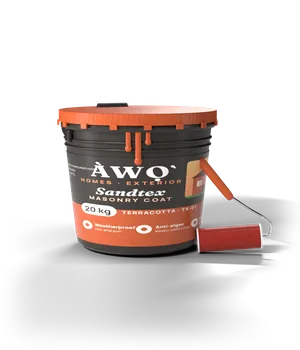 Paints, coatings & texturesTextured masonry