How It's Madeby Matta
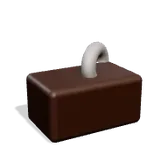
Cocoa mass, illustrated
IngredientUsed in 4 products hereQuote on listing

What is cocoa mass used for?

Cocoa mass, also called cocoa liquor, is made by grinding roasted cocoa nibs into a smooth paste that is liquid when warm and solid when cool. It contains both the cocoa solids and the cocoa butter of the bean. It is the main ingredient of dark chocolate, part of milk chocolate and chocolate chips, and the raw material that is pressed into cocoa butter and cocoa powder. Despite the name, it contains no alcohol.

Key facts

Name on labels (INCI)
Cocoa Liquor (Cocoa Mass)
Also called
Cocoa liquor, Chocolate liquor, Cocoa paste, Unsweetened chocolate
Grade to ask for
Food grade, alkalised or natural

Roasted cocoa nibs ground into a thick dark paste. It is cocoa solids and cocoa butter together.

Functions

What it does

Chocolate flavour and colour
Carries the full cocoa flavour, bitterness and brown colour into chocolate and baked goods.
Raw material for cocoa butter and powder
Pressing separates the fat (cocoa butter) from the solids (cocoa press cake, ground into powder).
Contributes to cocoa percentage
Together with added cocoa butter, it makes up the cocoa percentage printed on chocolate.
Used in

Products on How It's Made that use cocoa mass

ProductIts role there
Milk chocolate barChocolate flavour. Ground roasted cocoa nibs, carrying the chocolate flavour and the brown colour.
Dark chocolate barChocolate flavour. The main ingredient in dark chocolate, providing the cocoa flavour, colour and bitterness.
Chocolate wafer barChocolate flavour. Ground cocoa nibs that give the coating its chocolate flavour and colour.
Chocolate chip cookiesChocolate chips. Part of the chocolate chips, providing the chocolate flavour and colour.

On How It's Made, cocoa mass is used in milk chocolate, dark chocolate, chocolate chip cookies and chocolate wafers.

Grades

Grades and specifications

Natural versus alkalised
Alkalised (Dutched) liquor is darker and milder; natural liquor keeps more acidity and fruitiness.
Origin and bean quality
Fermentation, drying and roasting set the flavour, so buyers specify origin and processing as well as fat content.
Safety and quality

Handling, safety and regulation

Usually delivered as solid blocks or kibbled pieces, or as a liquid in heated tankers for large plants. Kept cool and dry and away from odours. Food-safety specifications cover microbiology and contaminants.

Cocoa products are covered by Codex standards for cocoa mass and chocolate. Foods made in Nigeria need NAFDAC registration.

Supply chain

Where cocoa mass comes from

After fermentation (five to seven days) and drying on the farm, beans are roasted and shelled into nibs and ground into cocoa mass. West Africa supplies most of the world's beans; grinding locally into mass, butter and powder adds value that otherwise goes abroad.

Source it on Matta

Sourcing cocoa mass through Matta

Request cocoa mass

Send Matta a request with the grade, quantity and delivery location you need. For the wider category, see Matta's commodities page.

Listings found on matta.trade, read 27 Oct 2026. Prices are a snapshot, not live; the listing is always the final word. Different suppliers and grades: compare prices only where the unit matches.
225 Cafe
Cocoa liquor - Cocoa liquor
Quote on requestno price listed
View current listing ↗

Related ingredients

Sources and method

  1. Barry Callebaut: From cocoa to chocolate
  2. fairafric: Cocoa alkalization
  3. Wikipedia: Cocoa butter
  4. ICCO Quarterly Bulletin of Cocoa Statistics: production of cocoa beans (2018/19 season)

Important notice: product information and manufacturing disclaimer

The products, ingredient lists, and ingredient breakdowns displayed on this platform are provided for general informational, educational, and product-discovery purposes only. They illustrate typical ingredients that may be used in commercially available products and are not verified, complete, or approved manufacturing recipes, formulations, or production instructions.

Although Matta.trade may help you identify and source certain ingredients or raw materials, the availability of those materials does not mean that a finished product can be safely or successfully manufactured using the information provided here. Ingredient compatibility, proportions, processing methods, hygiene, equipment, stability, preservation, product testing, packaging, labelling, and applicable regulatory requirements must be independently assessed by appropriately qualified professionals.

Food products, cosmetics, personal-care products, beverages, and other manufactured goods may require specialized formulation, quality-control procedures, safety assessments, and regulatory approvals. Incorrect formulations or manufacturing practices can result in unsafe, ineffective, contaminated, or non-compliant products.

Users are responsible for independently verifying all formulations, ingredient suitability, manufacturing processes, safety requirements, and legal obligations before producing, selling, distributing, or using any finished product. Matta.trade does not guarantee that any product can be manufactured successfully or safely from the information displayed, nor that every listed ingredient is suitable for every intended application.

To the extent permitted by applicable law, Matta.trade disclaims responsibility for manufacturing decisions, product formulations, or outcomes resulting from the independent use or interpretation of the information provided on this platform. Nothing on this website should be interpreted as a guarantee of product safety, suitability, regulatory compliance, or commercial success.