
 How It's Made
Key facts
- Name on labels (INCI)
- Citric Acid
- Also called
- 2-hydroxypropane-1,2,3-tricarboxylic acid, Citric acid anhydrous, Citric acid monohydrate
- CAS number
- 77-92-9 source
- E number
- E330
- Grade to ask for
- Anhydrous, food grade (E330)
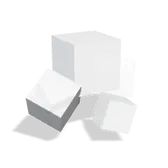
The acid of lemons and limes, made by fermenting sugar. Sold as colourless crystals.
What it does
- Acidulant and flavour
- Provides a clean, sharp sourness in soft drinks, juice drinks, jams and confectionery.
- pH adjuster
- Brings alkaline formulas such as shampoos and cleansers down to a skin-friendly pH, and helps preservatives such as sodium benzoate work.
- Chelating agent
- Binds calcium and metal ions, which improves detergent performance and removes limescale.
- Buffer
- With sodium citrate it holds pH steady in drinks, medicines and household products.
Products on How It's Made that use citric acid
| Product | Its role there |
|---|---|
| Foaming cleanser | pH adjuster. Brings the pH down to around 5.5, close to that of healthy skin. |
| Shampoo | pH. Brings the pH down to a skin- and hair-friendly level after the alkaline surfactants are added. |
| Hair conditioner | pH. Keeps the conditioner acidic. Acidity helps smooth the hair's outer scales so hair feels softer. |
| Body wash | pH. Brings the pH down to a skin-friendly, slightly acidic level and helps the preservative work. |
| Wild berry jam | Acidity. |
| Pancake syrup | Balance. |
| Cola | Acidity. Used alongside phosphoric acid in some colas to round the acidity. |
| Energy drink | Acidity. The main acid. It gives sourness, balances the sugar and lowers pH so the preservative works. |
| Orange fruit drink | Tang. Adds the sharp, fresh tartness of oranges and lowers the pH, which helps preservation. |
| Orange squash | Tang. The acid that gives orange squash its tang and lowers pH so the preservatives work. |
| Orange drink powder | Tang. Gives the sour orange tang; anhydrous citric acid is used because it is dry. |
| Lemon-lime soda | Sourness. Gives the sour lemon-lime taste and lowers pH so the preservative works. |
| Pineapple drink | Tang. Sharpens the taste and lowers pH, which helps the preservative work. |
| Vitamin C fizz | Acid for the fizz. |
On How It's Made, citric acid appears in cola, orange fruit drink, squash, drink powder, energy drink, jam, pancake syrup, vitamin C fizz, shampoo, conditioner, body wash and foaming cleanser.
Grades and specifications
- Anhydrous
- Free of water of crystallisation; used in dry blends such as drink powders and effervescent tablets.
- Monohydrate
- Contains one molecule of water; common in liquid applications.
- Food, pharmaceutical and technical grades
- Food and pharma grades meet purity specifications (for example FCC, BP, USP); technical grades serve cleaning and industrial uses.
Handling, safety and regulation
Citric acid is a mild acid but the dust irritates eyes and the respiratory tract, so it is handled with eye protection and dust control. It is hygroscopic and cakes if stored damp.
A permitted food additive (INS 330) in the Codex General Standard for Food Additives, generally used at levels consistent with good manufacturing practice. Finished foods and cosmetics in Nigeria need NAFDAC registration.
Where citric acid comes from
Almost all citric acid is made by fermentation of sucrose or glucose from sources such as molasses or corn starch, then recovered as calcium citrate and purified. World output exceeded 2 million tonnes in 2018, with more than half produced in China, so West African users typically import it.
Sourcing citric acid through Matta
Send Matta a request with the grade, quantity and delivery location you need. For the wider category, see Matta's ingredients page.
Listings found on matta.trade, read 15 Oct 2026. Prices are a snapshot, not live; the listing is always the final word. Different suppliers and grades: compare prices only where the unit matches.
 Sodium benzoate
 Glycerin
 Sodium bicarbonate
 Monosodium glutamate