
 How It's Made
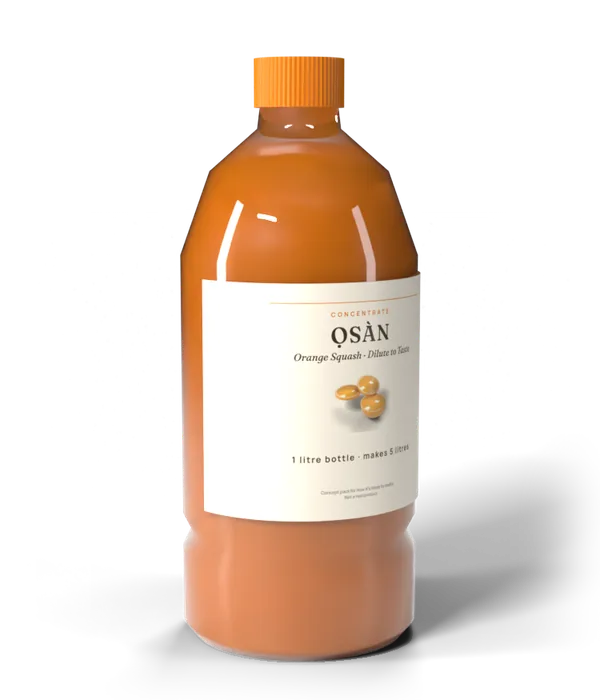
What goes into orange squash
Squash is a concentrate, so every ingredient is present at several times the strength of the drink in the glass. That shapes the formula: the sugar level is high enough to make the syrup thick, the acid is strong, and the preservatives have to protect a bottle that will be opened and used over days or weeks.
Modern squash often contains only a small share of real juice, commonly around 5 to 10 percent of the concentrate. The orange flavour carries much of the taste, which is why drink makers choose it carefully and test it at the final dilution, not in the bottle.
| Ingredient | What it does in orange squash | Grade buyers ask for | Source on Matta |
|---|---|---|---|
 Sucrose |
Sweetness. The main ingredient after water. It sweetens, gives body to the syrup and, at high concentration, helps limit microbial growth. | Refined, ICUMSA 45 | ₦1,486.25 /kgDangote Sugar · read 15 Oct 2026Request this product ↗View current listing ↗ |
 Aqua |
Base. Treated water dissolves everything and makes up the rest of the syrup. | Conductivity < 5 µS/cm | Made on sitePurified on site by the manufacturer |
 Orange Juice from Concentrate |
Fruit. Orange juice concentrate supplies the real fruit content and some natural orange taste. | Orange juice concentrate, stated °Brix, food grade | Not listed yetRequest this product ↗ |
 Citric AcidIngredient guide → |
Tang. The acid that gives orange squash its tang and lowers pH so the preservatives work. | Anhydrous, food grade (E330) | ₦1,599 /kgShandong Ensign Industry · read 15 Oct 2026Request this product ↗View current listing ↗ |
 Flavouring (Orange Type)Ingredient guide → |
Orange flavour. Orange flavour restores the fresh, juicy orange taste that juice loses when it is concentrated, heated and diluted. | Water-soluble or emulsion orange flavour for beverages | ₦19,071 /kgKerry Group Plc · read 30 Oct 2026Request this product ↗View current listing ↗ |
 Sodium Benzoate (E211)Ingredient guide → |
Preservative. A preservative against yeasts and moulds, effective at the syrup's low pH. | Food grade E211, ≥ 99% | ₦2,767.5 /kgNorbright Industries · read 15 Oct 2026Request this product ↗View current listing ↗ |
 Potassium Sorbate (E202) |
Preservative. A second preservative that protects the opened bottle against moulds and yeasts. | Specify to supplier | ₦6,150 /kgWUHAN ZOYO CHEMICAL Ltd · read 19 Oct 2026Request this product ↗View current listing ↗ |
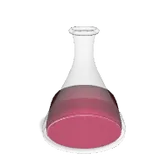 Anthocyanin / Carmoisine |
Colour. Gives a consistent orange colour; natural colours such as beta-carotene are increasingly used. | Permitted food colour, e.g. beta-carotene | ₦30,750 /kgLOBA Chemie PVT. LTD · read 19 Oct 2026Request this product ↗View current listing ↗ |
How orange squash is made
Squash is made in a syrup room much like the first stage of a soft drink, then bottled undiluted.
Dissolve sugar
Sugar is dissolved in treated water, warm or cold, and filtered.
Blend
Juice concentrate, acid, flavour, colour and preservatives are added and mixed until uniform.
Check
The syrup is checked for sugar content (°Brix), acidity and colour.
Pasteurise
Syrups containing fruit juice are heat-treated before filling to make them stable.
Fill
The squash is filled into bottles, capped and labelled with the dilution ratio.
Common variations
- No-added-sugar squash
- Replaces sugar with sweeteners such as aspartame, sucralose or saccharin, so the concentrate is thinner and the preservatives do more of the work.
- Double-strength squash
- A stronger concentrate diluted about one part to nine parts water.
- Other flavours
- Lemon, lime, blackcurrant, mixed fruit and pineapple squashes use the same base with a different juice and flavour.
Safety, quality and regulation
Preservatives, acids and colours in squash must be permitted food additives used within the limits for this food category, as set in standards such as the Codex General Standard for Food Additives. Syrups with juice are pasteurised because juice adds microorganisms and nutrients.
Squash made for sale in Nigeria must be registered with NAFDAC, and the label must list ingredients, the dilution instruction, net content, batch number and expiry date.
Where the raw materials come from
Sugar is the largest purchase. Orange juice concentrate, preservatives and most flavours are imported, although Nigeria grows oranges and local juice processing is an opportunity. Kerry and IFF orange and citrus flavours are listed on Matta.
Request sugar, citric acid, preservatives and orange flavour through Matta. For food ingredients, see Matta's ingredients page.
Related products and ingredients
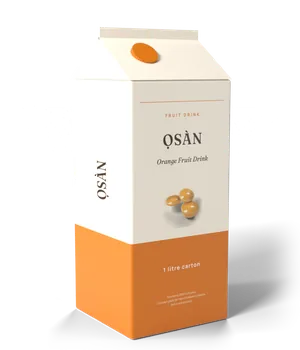 Drinks & mixesOrange fruit drink
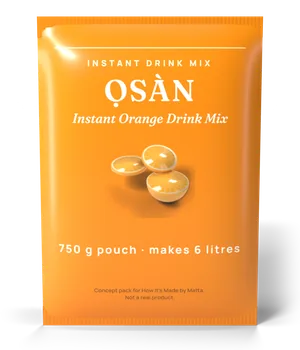 Drinks & mixesOrange drink powder
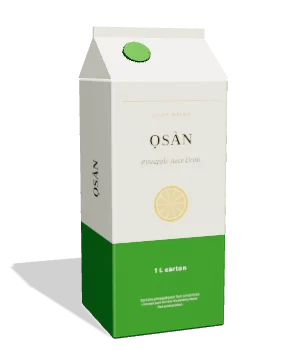 Drinks & mixesPineapple drink
 Drinks & mixesCola