
 How It's Made
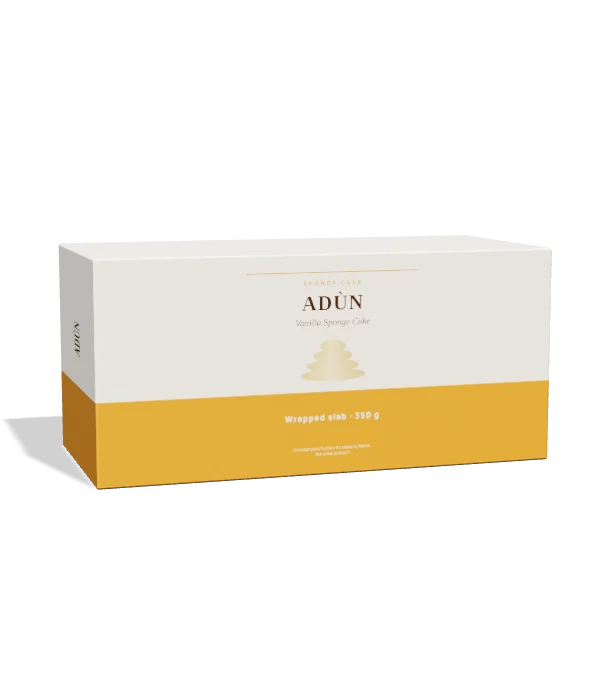
What goes into vanilla sponge cake
Sponge is a foam cake: most of its rise comes from air whipped into egg protein, which expands in the oven and is then set by the heat. That makes the balance between eggs and sugar critical. Eggs build structure, while sugar tenderises and weakens the crumb, so bakers follow rules such as keeping the sugar at least equal to the eggs and the flour lighter than either.
Industrial bakeries often use a "cold process", whipping at room temperature with an emulsifier and a little baking powder, because it tolerates variation in eggs and mixing better than the traditional warm method. Vanilla flavour gives the familiar bakery aroma; heat-stable vanilla flavours, such as Kerry's creamy vanilla grades listed on Matta for baking, are designed to survive the oven.
| Ingredient | What it does in vanilla sponge cake | Grade buyers ask for | Source on Matta |
|---|---|---|---|
 Sucrose |
Sweetness and tenderness. Sweetens, stabilises the egg foam and tenderises the crumb; typical formulas use as much sugar as egg or more. | Refined, ICUMSA 45 | ₦1,486.25 /kgDangote Sugar · read 15 Oct 2026Request this product ↗View current listing ↗ |
 Wheat FlourIngredient guide → |
Structure. Soft, low-protein cake flour gives a fine, tender structure; it is folded in gently so the foam is not knocked out. | Soft wheat cake flour | ₦984 /kgDangote Refinery · read 19 Oct 2026Request this product ↗View current listing ↗ |
 Pasteurised Whole Egg |
Holds the air. Whipped egg proteins hold the air that raises the cake and then set it in the oven. Bakeries use pasteurised liquid egg. | Pasteurised liquid whole egg | Not listed yetRequest this product ↗ |
 Glucose Syrup |
Moistness. Glucose syrup keeps the crumb moist and soft for longer. | DE 40–42, 80–82 °Brix | ₦922.5 /kgElkoptan · read 19 Oct 2026Request this product ↗View current listing ↗ |
 Vegetable Fat (Palm) |
Soft crumb. A small amount of fat softens the crumb; too much stops a sponge from rising. | Bakery fat, melting point about 38 to 42 °C | ₦2,562.5 /kgSusan · read 27 Oct 2026Request this product ↗View current listing ↗ |
 Skimmed Milk Powder |
Milk flavour and colour. Adds milk flavour and helps the crust brown. | Skimmed or full cream, spray-dried | ₦6,640 /kgMother Dairy Fruit & Vegetable Private Limited · read 20 Oct 2026Request this product ↗View current listing ↗ |
 Glyceryl Stearate |
Emulsifier. An emulsifier that helps the batter take in air quickly and hold it, especially in the cold-process method. | Cake emulsifier, food grade | ₦4,868.75 /kgJining Yaluan Chemical Tech · read 15 Oct 2026Request this product ↗View current listing ↗ |
 Sodium Acid Pyrophosphate (E450) |
Leavening acid. The acid half of the baking powder, reacting with bicarbonate to release carbon dioxide during baking. | Food grade, choose a slow or fast rate | Quote on listingRequest this product ↗View current listing ↗ |
 Sodium Hydrogen CarbonateIngredient guide → |
Leavening. Baking soda, the base half of the baking powder, adding a little extra lift. | Food or pharma grade, fine powder | ₦553.5 /kgMalan · read 20 Oct 2026Request this product ↗View current listing ↗ |
 Sodium Chloride |
Flavour. Balances the sweetness and brings out the flavour. | Food grade, iodised for Nigeria | ₦533 /kgBiorigins · read 15 Oct 2026Request this product ↗View current listing ↗ |
 Flavouring (Vanilla Type)Ingredient guide → |
Vanilla flavour. The characteristic cake flavour; bakeries use heat-stable vanilla flavours so the aroma survives the oven. | Heat-stable vanilla flavour for baking | ₦7,663.27 /kgKerry Group Plc · read 30 Oct 2026Request this product ↗View current listing ↗ |
 Potassium Sorbate (E202) |
Keeps mould away. A preservative that slows mould growth so a wrapped cake keeps for longer. | Food grade (E202) | ₦6,150 /kgWUHAN ZOYO CHEMICAL Ltd · read 19 Oct 2026Request this product ↗View current listing ↗ |
How vanilla sponge cake is made
In a bakery, sponge is made in a sequence of scaling, whipping, depositing, baking, cooling and wrapping.
Scale
Ingredients are weighed by recipe.
Whip
Egg, sugar, glucose and emulsifier are whipped into a light foam; bakers check its density (specific gravity) to control volume.
Fold
Flour, milk powder, raising agents and salt are folded in, then melted fat, without knocking out the air.
Deposit and bake
The batter is deposited into lined trays and baked at about 180–220 °C until the centre reaches about 95 °C.
Cool, slice and wrap
Cakes are depanned while warm, cooled, sliced and flow-wrapped.
Common variations
- Genoise
- Melted butter is folded into the egg foam for a moister cake.
- Victoria sponge
- Fat and sugar are creamed first, then eggs and flour are added, so it behaves more like a butter cake and relies on baking powder.
- Swiss rolls and snack cakes
- Thin sponge sheets are spread with jam or cream and rolled or layered, or cut into individual snack cakes.
- Flavoured sponges
- Chocolate, strawberry, butterscotch or orange sponges change the flavour and colour on the same base.
Safety, quality and regulation
Eggs must be pasteurised or handled to prevent salmonella, and cakes must be baked through and cooled hygienically before wrapping. Egg, wheat and milk are major allergens and must be declared. Preservatives and emulsifiers must be permitted and used within the limits in standards such as the Codex General Standard for Food Additives.
Cakes made for sale in Nigeria must be registered with NAFDAC, with ingredients, allergens, net content, batch and expiry on the wrapper.
Where the raw materials come from
Wheat flour and sugar are milled or refined in Nigeria largely from imported wheat and raw sugar. Eggs are produced locally. Emulsifiers, raising agents, preservatives and flavours are mostly imported; Kerry and IFF vanilla flavours are listed on Matta.
Request flour, sugar, emulsifiers, raising agents and Kerry or IFF vanilla flavour through Matta. For food ingredients, see Matta's ingredients page.
Related products and ingredients
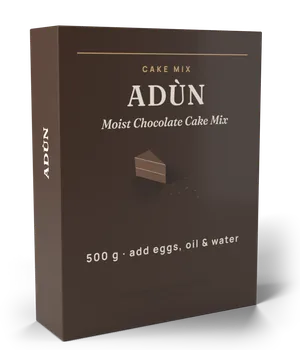 Chocolate & confectioneryChocolate cake mix
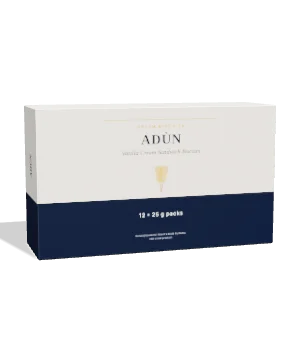 Bakery & biscuitsCream sandwich biscuits
 Bakery & biscuitsSliced bread
 Breakfast & spreadsPancake mix